About South India

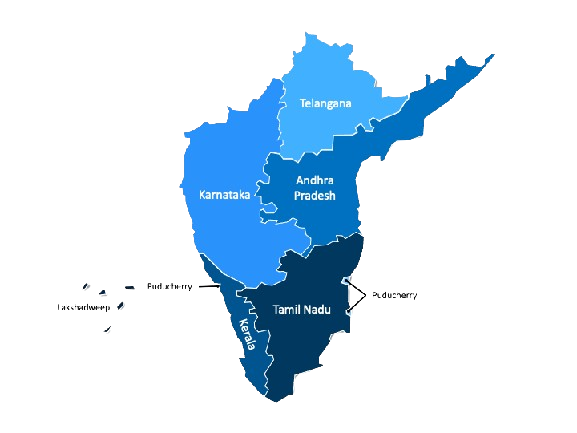
South India, also called Southern India, is a region rich in cultural diversity, classical arts, and historical significance. The region includes the states of Andhra Pradesh, Telangana, Tamil Nadu, Karnataka, Kerala, and the Union Territories of Lakshadweep and Puducherry. Known for its unique traditions, South India is distinct in its languages, cuisine, architecture, and art forms.

The geographical features of South India include the Deccan Plateau, the Western and Eastern Ghats, and the many rivers like the Godavari and Kaveri. The region is also famous for its tropical climate and lush vegetation.

The administrative definition of South India generally includes the states of Andhra Pradesh, Telangana, Tamil Nadu, Karnataka, and Kerala, along with the Union Territories of Lakshadweep and Puducherry. The region is renowned for its religious diversity, with a strong presence of Hindu temples, as well as Muslim and Christian communities.

Festivals & Food

...
Mysore Dasara

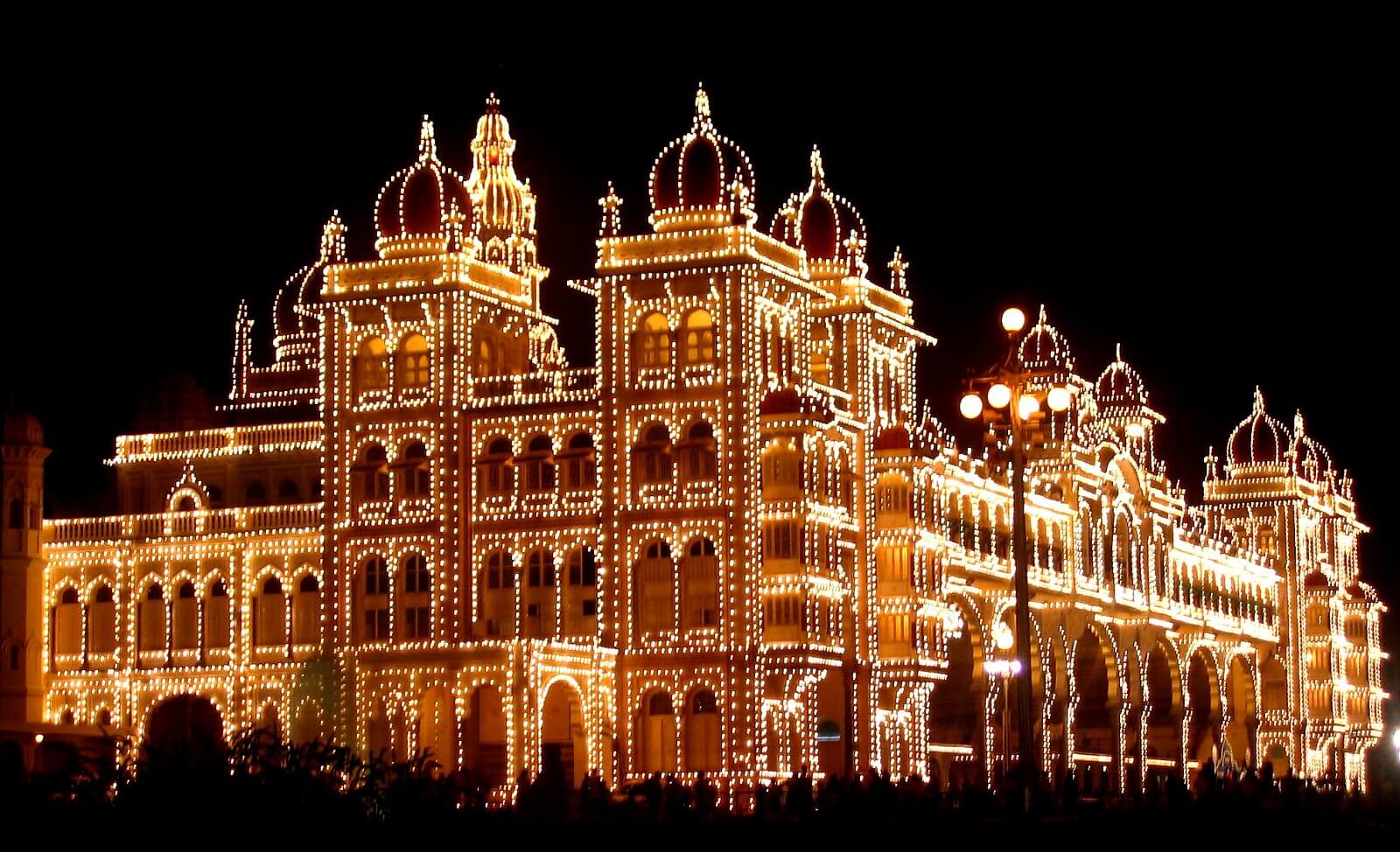
Mysore Dasara is a grand annual festival celebrated in Mysuru, marking the victory of Goddess Chamundeshwari over the demon Mahishasura. Spanning ten day Jumbo Savari, where the goddesss idol is carried on a golden howdah atop a decorated elephant.

Explore
...
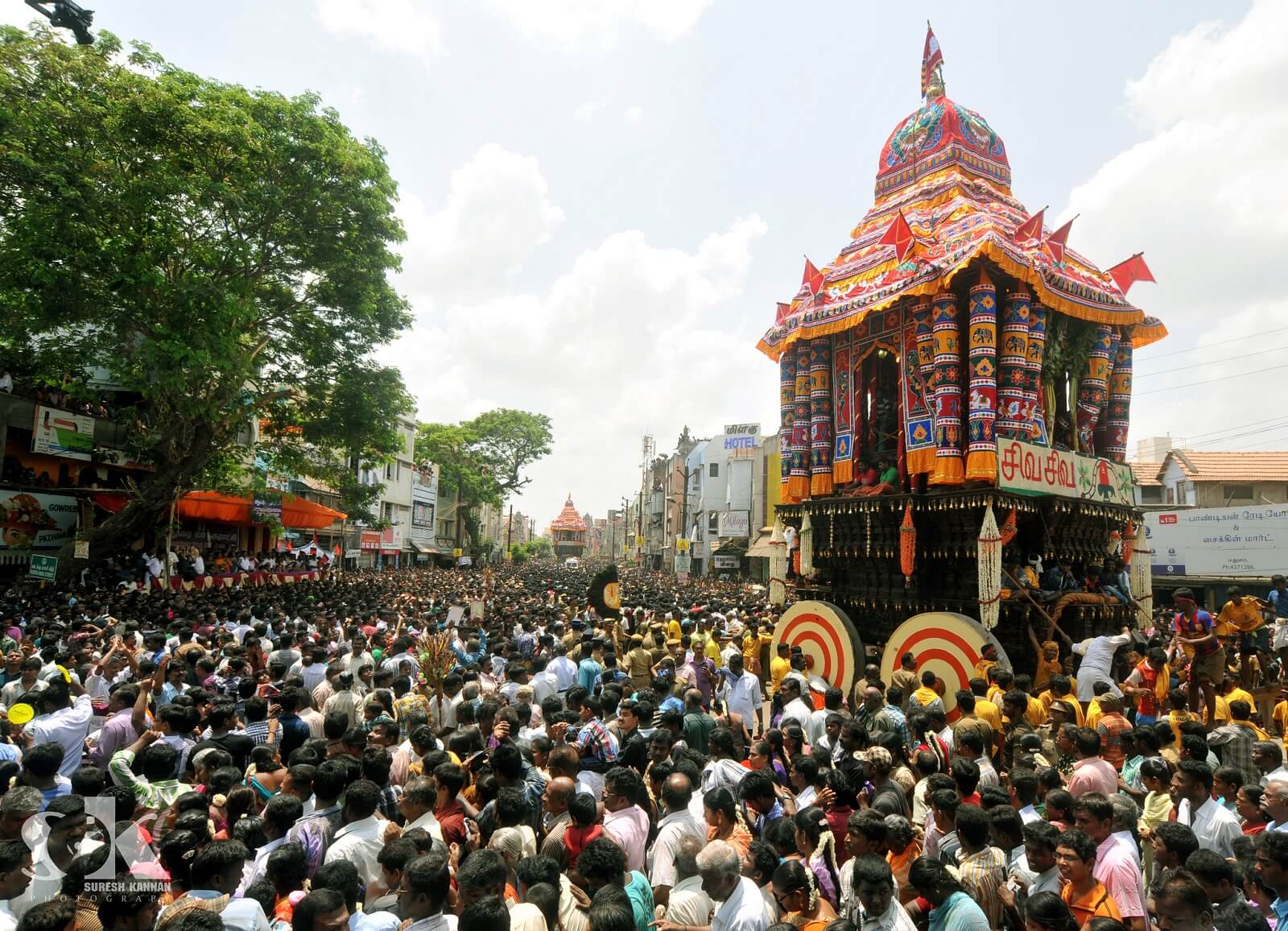
Chithirai Thiruvizha, Madurai

Chithirai Thiruvizha in Madurai celebrates the divine wedding of Goddess Meenakshi and Lord Sundareswarar. It features grand processions, cultural events, and attracts millions of devotees annually.

Explore
...
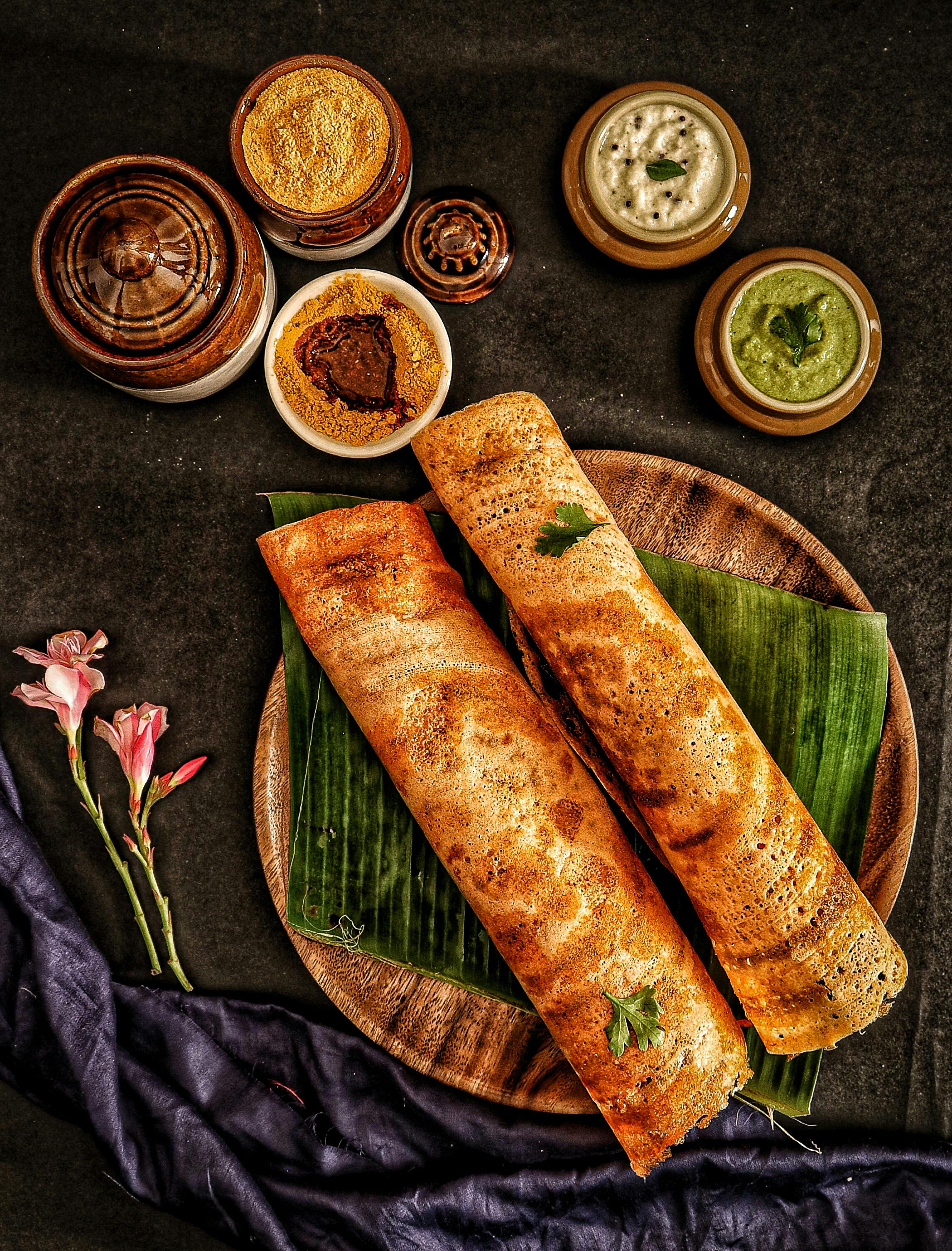
Dosa

Dosa is a popular South Indian dish made from fermented rice and urad dal batter. This thin, crispy pancake is typically served with chutneys and sambar. It’s a common breakfast or snack, enjoyed across India and globally for its delicious taste.

Explore
...
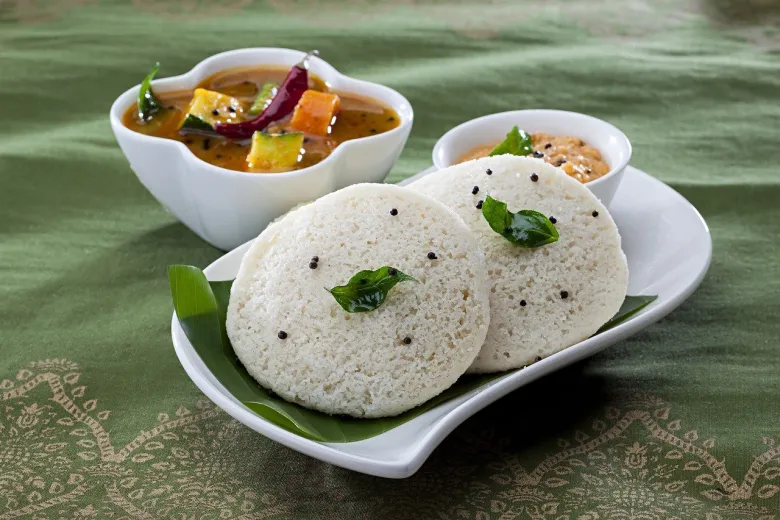
Idli

Idli is a traditional South Indian dish made from a fermented batter of rice and urad dal. These soft, fluffy steamed cakes are typically served with chutneys and sambar, making them a nutritious, light, and widely enjoyed breakfast or snack.

Explore

Place Must Visit

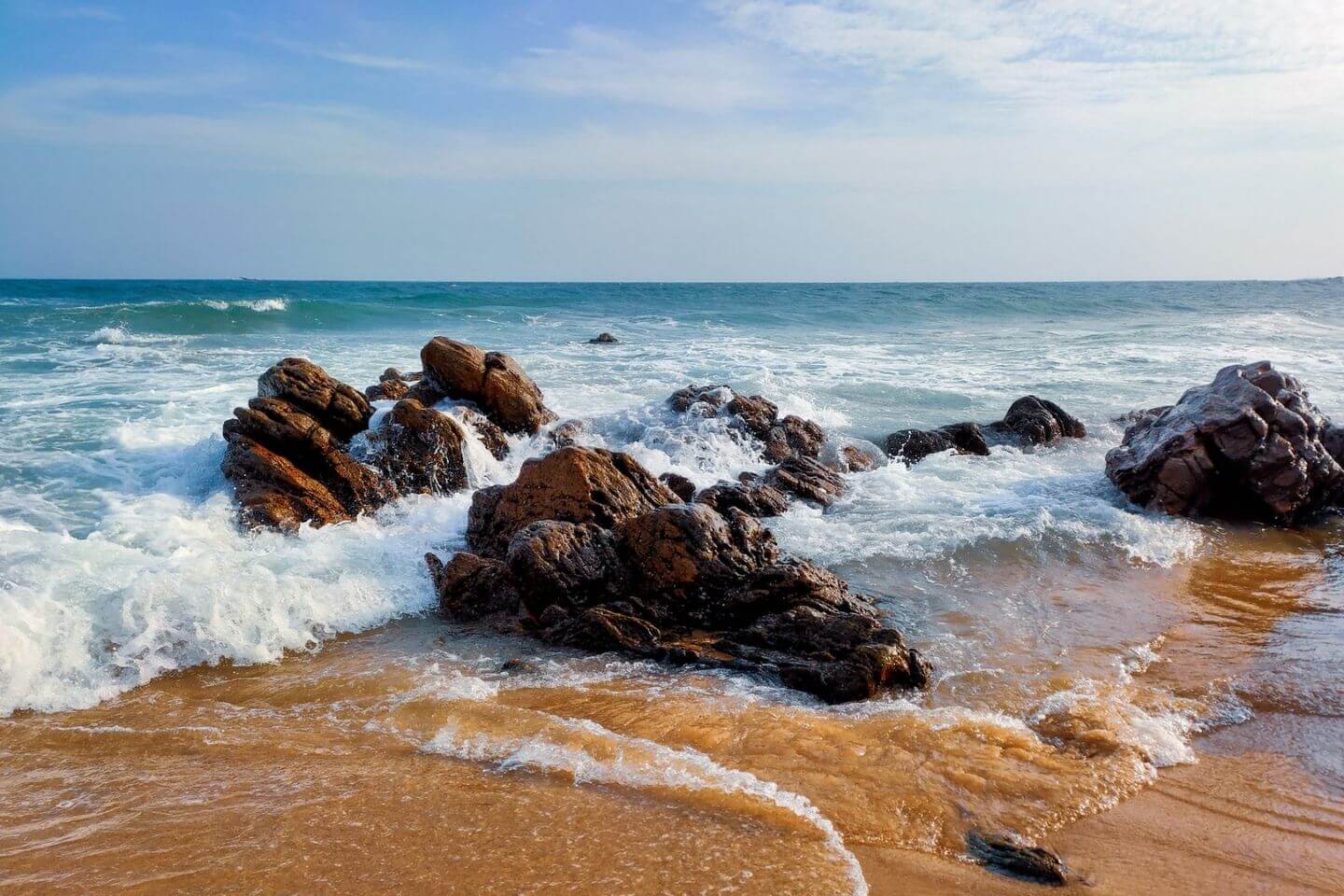
Vizag, Andhra Pradesh

Visakhapatnam, commonly known as Vizag, is a major port city located on the eastern coast of Andhra Pradesh. Known for its natural beauty, the city is home to several scenic beaches, including RK Beach and Rushikonda Beach. It’s also a significant industrial hub with one of the largest ports in India and a thriving shipbuilding industry. The combination of modern development and natural landscapes makes Vizag a perfect blend of business and leisure.

Besides its beaches, Vizag boasts several tourist attractions such as the Submarine Museum and Kailasagiri Hill. Visitors can enjoy panoramic views of the city and the Bay of Bengal from the hilltop. For nature enthusiasts, nearby places like Araku Valley offer lush greenery and trekking opportunities. Vizag’s rich cultural heritage, combined with its booming industries, makes it a unique destination in India, attracting both tourists and business professionals alike.

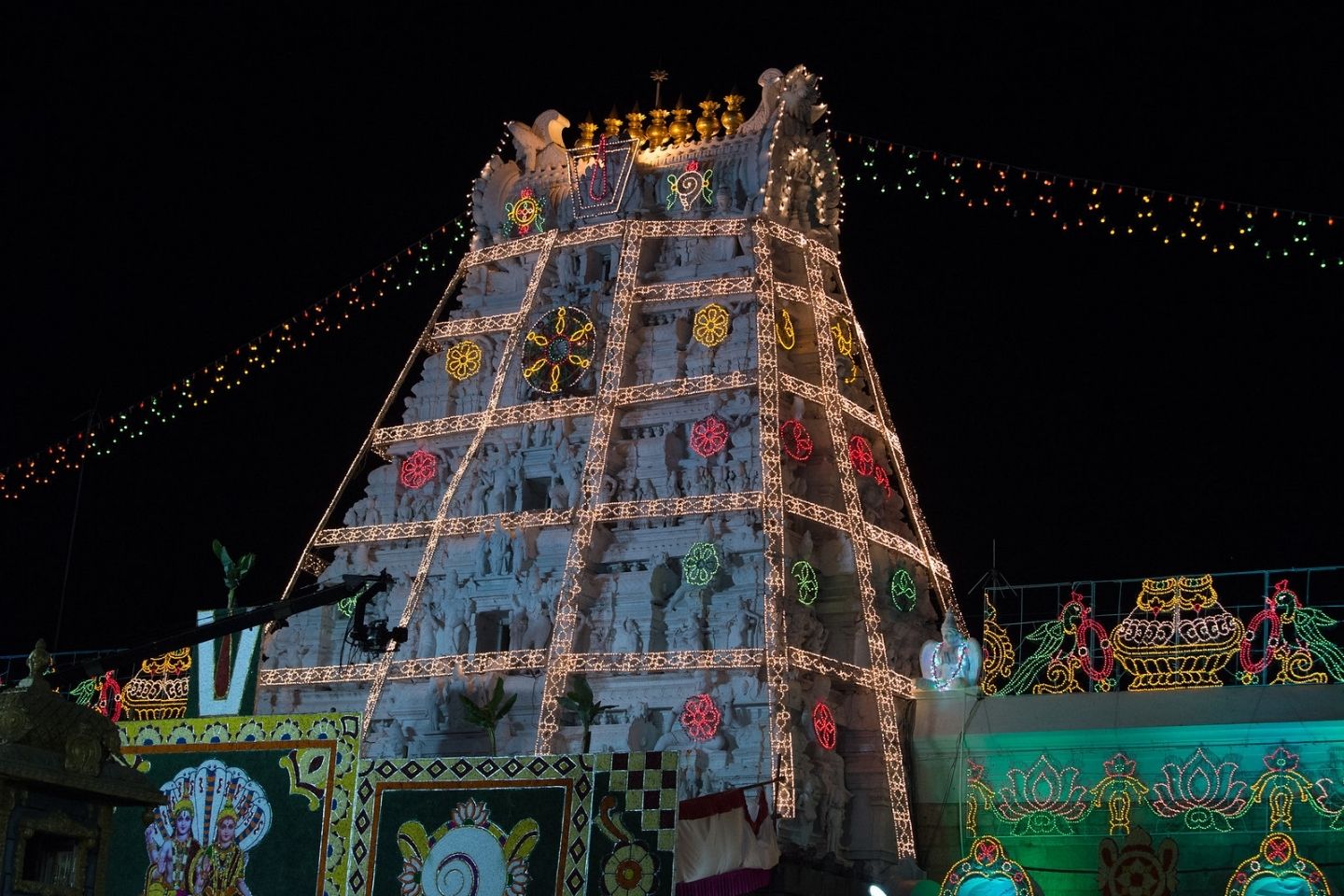
Tirupati, Andhra Pradesh

Tirupati, located in the Chittoor district of Andhra Pradesh, is one of the most visited pilgrimage cities in India. The city is famous for the Venkateswara Temple, dedicated to Lord Venkateswara, an incarnation of Lord Vishnu. The temple, located on Tirumala Hill, attracts millions of devotees every year who come to seek blessings. Pilgrims offer various donations, including hair tonsuring, as part of their vows. The temple's spiritual significance makes Tirupati an important religious hub in South India.

Tirupati is not only known for its religious importance but also for its rich culture and heritage. The city is renowned for its South Indian cuisine, especially the Tirupati laddu, a sweet offering in the temple. Visitors to Tirupati can also explore nearby attractions such as the Sri Kapileswara Swamy Temple and the serene Talakona Waterfalls. With its mix of spirituality and culture, Tirupati remains a top destination for devotees and travelers.

Music & Dance

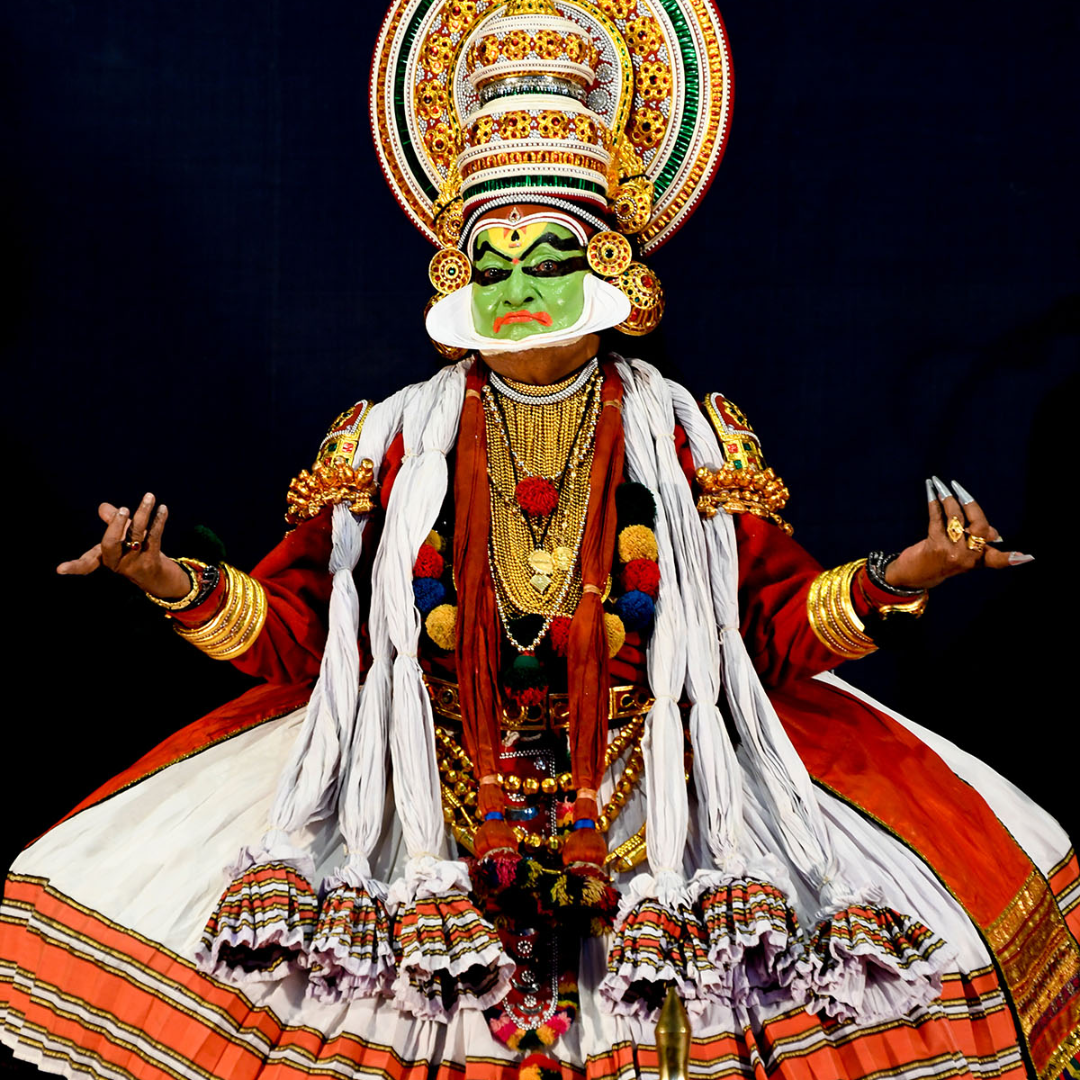
Bharatanatyam

Bharatanatyam is one of the oldest and most revered classical dance forms in India, originating from Tamil Nadu. It combines intricate footwork, graceful movements, and expressive hand gestures to convey emotions and tell stories, often based on Hindu mythology. The dance is accompanied by Carnatic music, providing rhythm and melody to the performance. Traditionally, Bharatanatyam was performed by devadasis in temples as part of religious rituals, but it has since evolved into a prominent art form.

The dance form emphasizes abhinaya (expressions) to convey the emotional content of a story, with emphasis on devotion, love, and mythology. Bharatanatyam performances often require years of rigorous training, mastering the techniques of posture, rhythm, and storytelling. Over the years, it has gained international recognition, with performers worldwide showcasing its beauty. Bharatanatyam remains a symbol of India’s cultural and artistic heritage, continuing to inspire audiences globally.

Bharatanatyam is not only a dance form but also a means of spiritual expression. It allows dancers to connect deeply with the divine through movements that reflect devotion and grace. The precision, elegance, and storytelling of Bharatanatyam continue to captivate audiences, making it a timeless cultural treasure of India.

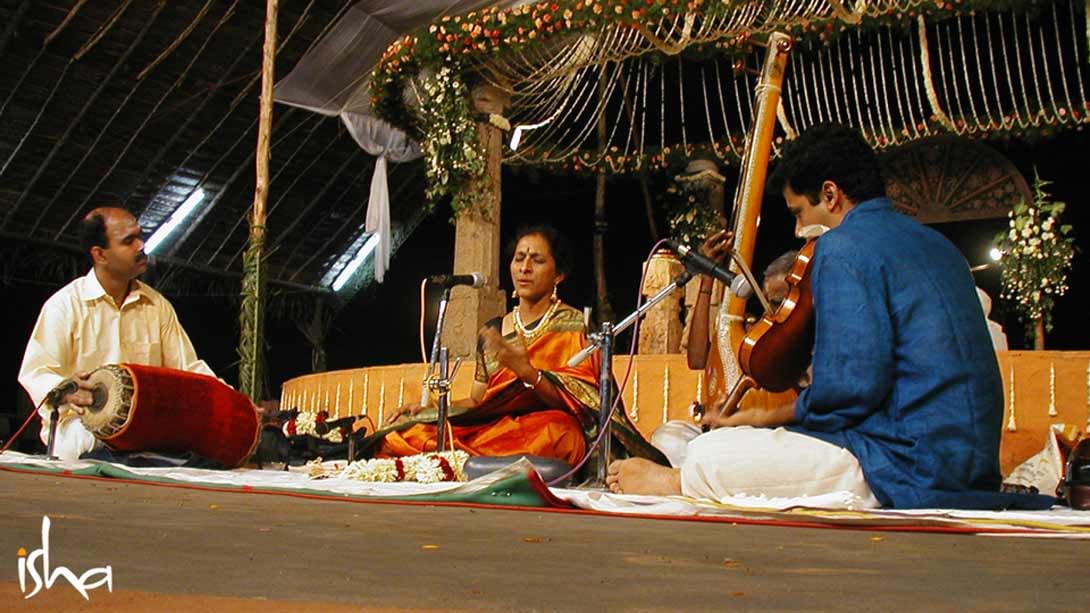
South Indian Classical Music

South Indian classical music, known as Carnatic music, is a revered tradition rooted in Tamil Nadu, Karnataka, Andhra Pradesh, and Kerala. It is based on ragas (melodic scales) and talas (rhythmic cycles), offering a highly structured framework for musical compositions and improvisation. Accompanied by instruments like the violin, mridangam, and flute, Carnatic music is often devotional, focusing on spiritual themes.

The music emphasizes intricate patterns, emotional expression, and lyrical beauty. Performances are intense and require years of training, yet continue to captivate audiences worldwide with their depth and complexity, preserving cultural heritage for generations.

Food

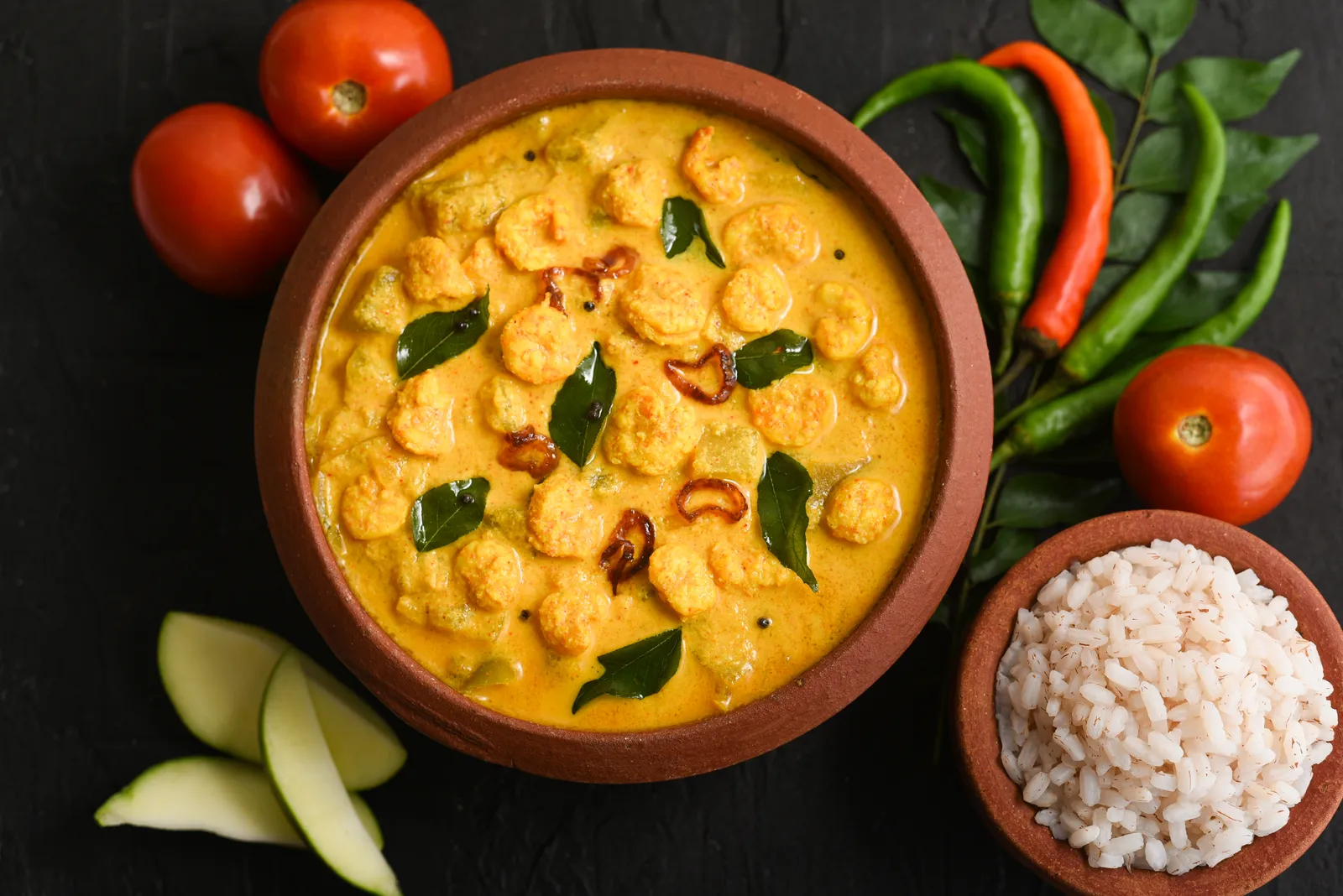
Chemmeen Manga Curry

Chemmeen Manga Curry is a flavorful dish from Kerala, combining prawns (chemmeen) and raw mangoes (manga) in a tangy, spicy curry. The dish is known for its unique balance of flavors, where the sourness of raw mangoes complements the richness of coconut milk and the warmth of traditional Kerala spices. Typically served with rice or Kerala's soft parotta, it’s a favorite during the summer months when raw mangoes are in season.

The curry's preparation involves simmering prawns and mangoes in a blend of spices such as mustard seeds, curry leaves, and turmeric. Coconut milk adds creaminess, while tamarind introduces a tangy kick. Chemmeen Manga Curry captures the essence of Kerala’s coastal cuisine, offering a delicious combination of sour, spicy, and creamy elements. The dish remains a staple in many Kerala households and is a must-try for anyone exploring regional Indian cuisine.

Kori Gassi

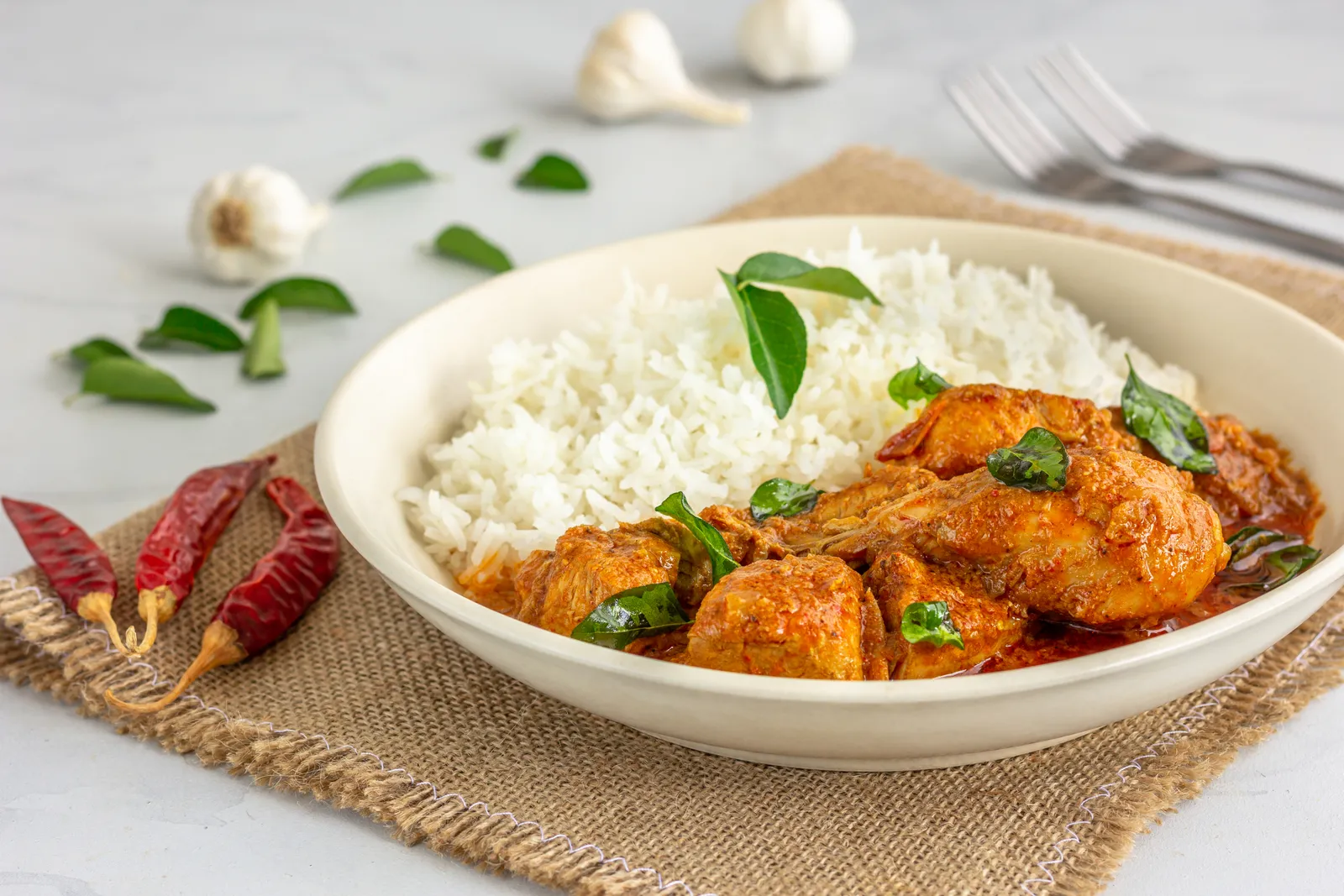
Kori Gassi is a traditional Mangalorean chicken curry that is deeply flavorful, rich, and aromatic. The dish is prepared with tender chicken cooked in a spicy, roasted masala blend made from fresh coconut, coriander seeds, dry red chilies, and other local spices. The addition of tamarind gives the curry a tangy kick, balancing the heat from the spices.

This curry is typically served with neer dosa, a thin, soft rice pancake, or with steamed rice. The coconut-based gravy imparts a creamy texture, enhancing the depth of the flavors. Kori Gassi is a staple in coastal Karnataka and is a must-try for anyone interested in the region's vibrant cuisine.

Mangalorean cuisine is known for its use of coconut, spices, and seafood, and Kori Gassi is a perfect example of this. It continues to be a favorite in households, restaurants, and social gatherings, symbolizing the rich culinary heritage of Mangalore.